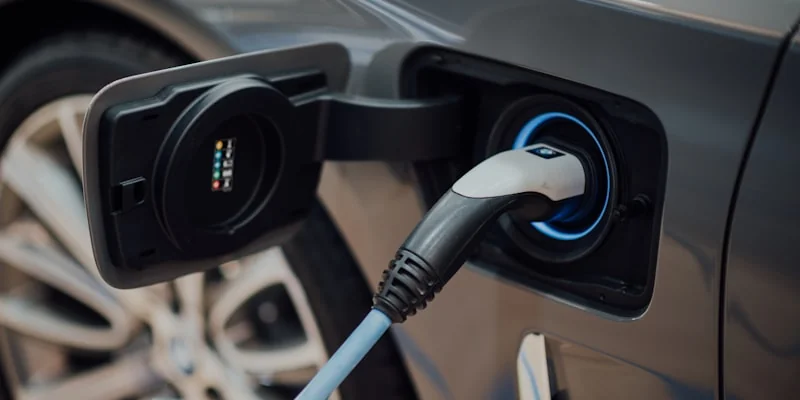
Electric vehicle adoption in Dubai is accelerating — and with it comes a new set of questions for owners. Charging infrastructure, heat's impact on battery range, home charging setup and where to get EV servicing done are the top concerns we hear at FixHive from new EV owners.
Dubai's Public Charging Network
DEWA operates the largest public EV charging network in Dubai — the Green Charger initiative. As of 2025, there are 400+ AC charging points and a growing number of DC fast chargers across malls, petrol stations and public car parks. DEWA charging is currently free for registered EV owners (rates subject to review).
Tesla operates its own Supercharger network in Dubai at major locations including Mall of the Emirates, Dubai Mall and DIFC. Tesla-to-Tesla charging is significantly faster than most third-party alternatives.
Third-party networks like Charge&Drive and various mall-installed systems use Type 2 AC connectors — standard for most non-Tesla EVs.
Home Charging in Dubai
Most Dubai villa owners and apartment dwellers with dedicated parking can install a home charger. A standard 7kW AC wallbox charges most EVs overnight. You'll need a DEWA permit for the installation — reputable installers handle this. Cost is typically 2,500–5,000 AED for supply and installation.
Dubai apartments are more complex — the building management or owners association must approve electrical work. This is improving but can be a barrier in older buildings.
Heat and Battery Range in Dubai
Dubai's heat affects EV range in two main ways:
- AC load: Running air conditioning in a 45°C car significantly reduces range — 20–30% is common on hot days with full cabin cooling
- Battery thermal management: Modern EVs (especially Tesla) have active battery cooling, but the system uses energy even when parked in direct sun
Practical tips: park in shade whenever possible, use the pre-conditioning feature while still plugged in, and plan charging stops more conservatively in summer months.
EV Servicing in Dubai
EVs have fewer moving parts than ICE cars but still require regular maintenance: cabin air filter, brake fluid (brakes are used less due to regenerative braking, so fluid ages rather than wears), tyre rotations and 12V auxiliary battery checks. Not all workshops have the equipment and training for EV high-voltage systems — choose a specialist.
Book EV Service → WhatsApp